By Sarah Taylor
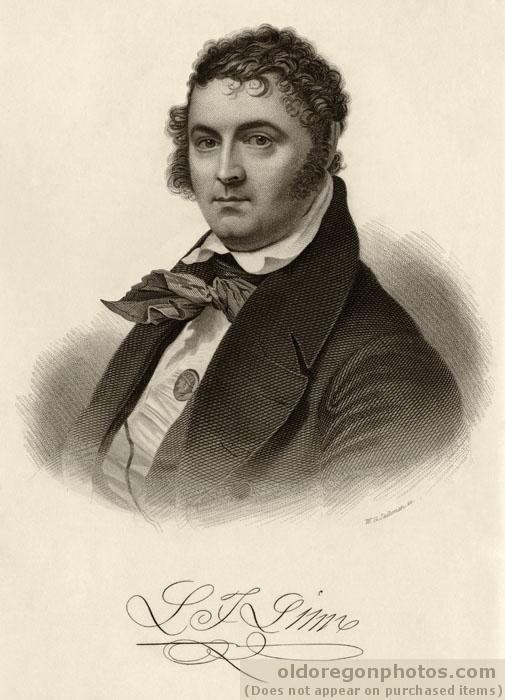
Like many institutions, we who live along old river road, have much to gain by understanding the origin of our town’s name. Our town, like other places in Oregon comes from one Senator Linn, who never stepped foot in Oregon. He was a doctor and senator from Missouri who was best known for his push to have indigenous people removed from their land and give large land developers access to the first land grants.
To encourage him, the first early corporate enterprises named their communities after him, hoping to seek his favor. Senator Linn also rewarded them by making sure that, in many situations, Black people, women and immigrants would not receive these stolen lands. Although the Homestead Laws required new owners to work the land, in most early cases along the river, land was given to speculators who later sold smaller farms to newly arriving immigrants who took on work for land trades.
Old River Road, which is now known as St. Helens Rd and U.S. Highway 30, followed the Willamette River, connecting Guild’s Lake in NW Portland to Linnton and further downriver. Creeks and trails made their way down out of the Tualatin Mountains. These creeks and trails were often Indigenous trails and summer camps for fishing and gathering. Our “hills” often have their roots in these millennia of Indigenous ways of life.
The Linnton Neighborhood Association is composed of the many small towns that sprung up along the old river road. These towns, often with their own small commercial areas and schools, make up our neighborhood association.
These small towns and communities, along with the larger town center of Linnton, were all annexed in 1915, at a time when a majority of residents could not vote. In the years after annexation, the many farms and small-town sites were swallowed up by international corporations with no connection to the area or the people.
As we commit to learn about and repair our racist history, we, too, in the Linnton neighborhoods have the ability to do so. How do we honor the deep legacy of the Indigenous tribes who fished, hunted, gathered and carefully tended this area we now call home? How do we reconcile this history as we work to stop climate change in the heart of Oregon’s fossil fuel hub?
Is there a name for our neighborhood association, that better tells the story of who we are and where we have been?
In the coming months, our neighborhood association will engage in discussions of how we best honor our collective histories and our legacy as river communities.
Does our association’s name matter as we work towards cleaning up the river and moving away from the danger of fossil fuels to our community? How do we reclaim the past and paint a picture for the future in our name? What names best describe our whole association, from all of these perspectives and embrace all the many historic communities within our borders?