By Brian Hoop
In the steps of the forgotten, the silenced and the resilient
A portrait exhibition featuring oral histories, historical photographs, maps, trail maps, and the natural history of Forest Park.
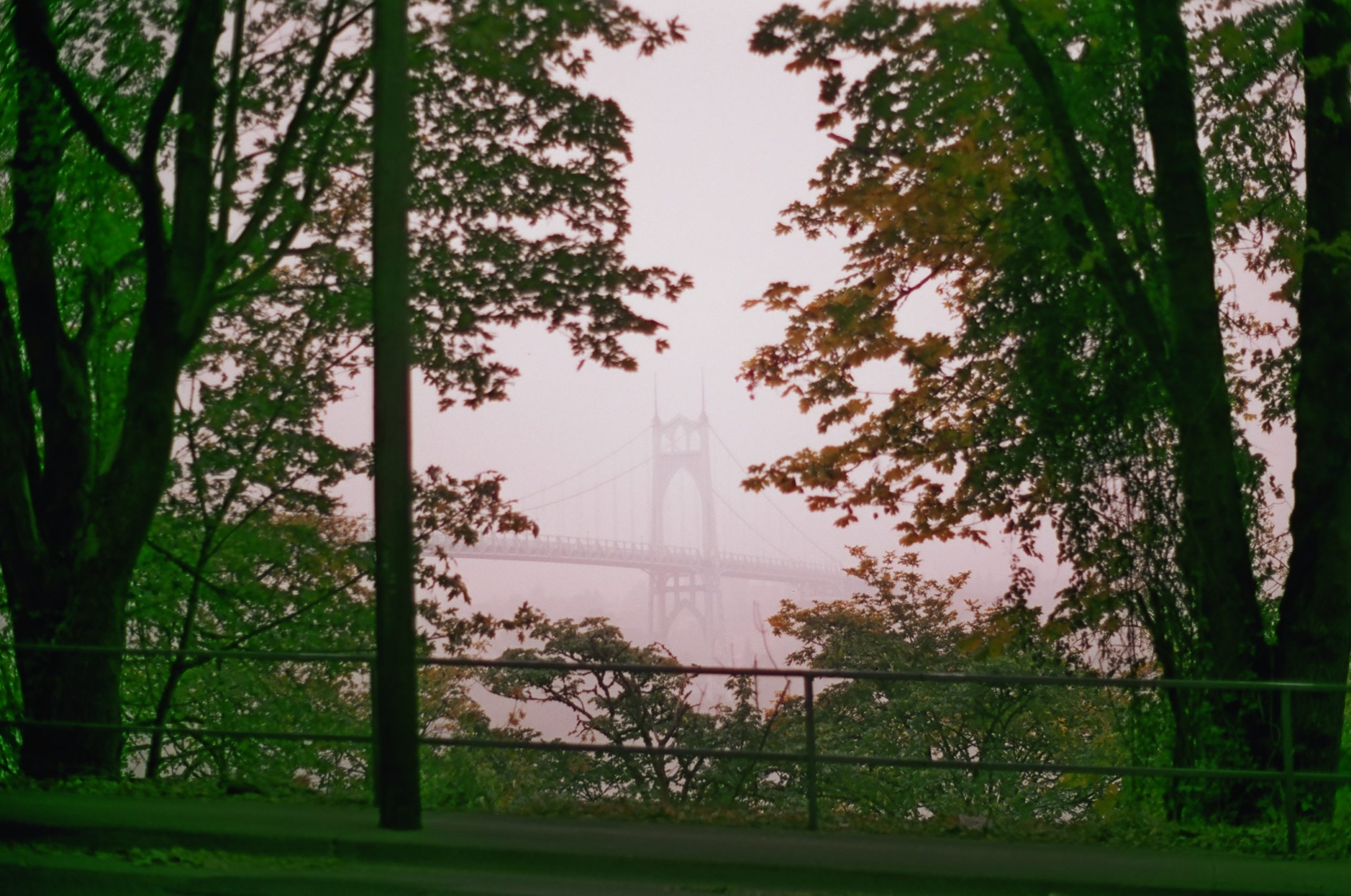
Linnton Community Center
10614 NW St. Helens Rd.
Sundays through September 1, 2021
11:00 AM to 3:00 PM
Ethnobotany Tour starts at 11:00 AM
Linnton Town Tour starts at 1:00 PM
I’d seen the sign at the Linnton Trailhead with an invitation to learn about local history via a walking tour. Intrigued, I caught up with project organizer, Sarah Taylor, on a recent Sunday afternoon at the Linnton Community Center to find out more. I was amazed to find the upper meeting room had been transformed into a pop-up history museum – one every Linnton resident should check out this summer before it’s too late.
Taylor, a retired school principal, has been a longtime Linnton resident and neighborhood leader. “I had lived here for over 40 years, but had not asked myself what came before the endless fossil fuel tanks,” says Taylor. So about five years ago she began to research the history of the area along what was once Old River Road, now St Helens Rd., and otherwise known as U.S. Highway 30 or “Dirty 30.”
As a neighborhood activist, Taylor began advocating for Linnton to be recognized as a town center in response to City of Portland long-range zoning and planning updates. More recently, she has been a tireless environmental advocate as part of the Portland Harbor Superfund cleanup and efforts to stop expansion of the Zenith oil depot.
The story of Linnton and Guilds Lake is an environmental justice story.
But what has made Taylor’s activism stand out is her vision beyond Portland’s parochial neighborhood politics defined by association boundaries. As a co-founder of the Braided River Campaign, she sees the fate of multiple neighborhoods along the Lower Willamette River as interconnected in our common cause beyond cleaning up the river. Her goal is an economic paradigm shift from a Portland Harbor based on industrial degradation and displacement to one centered on environmental justice for historically marginalized peoples.
Working with Superfund, climate change, and youth groups, she began offering tours of the area to share her vision for our future relationship with these lands and waters. The tours, attended by the staff of government agencies, teachers, school groups and interested community members, took multiple routes thought the Lower Willamette including Guilds Lake, Linnton, Cathedral Park, and The University of Portland.
Taylor and other Campaign volunteers devoted hundreds of hours to research during the isolation of the COVID pandemic. Their story is centered on the rich and diverse history of this region. Not just the sanitized history of European American communities and industrial laborers, but a history highlighting the indigenous peoples, African American, Chinese, and various immigrant communities populating villages over times from the former Guilds Lake in NW Portland to Linnton.
What had originally been envisioned as murals along Hwy 30 or billboards to be installed on Linnton business district walls, became “a series of life-size portraits completed by artists of color that would represent the many different stories along the Lower Willamette.”
Portraits you can see on display at the Center include three children, a Finnish immigrant farm child from Linnton, an African American child from Guild’s Lake housing, and an indigenous Chinook child returning to fish. There are two women of color representing laborers during World War II, a Chinook fisherman, and a Chinese immigrant.
Eventually interviews of the artists will be archived online along with narratives explaining the portraits. Theirs is a story of our racist history of redlining limiting where Black and Chinese families could live and later displacing them to make way for Interstate highways and industrial expansion.
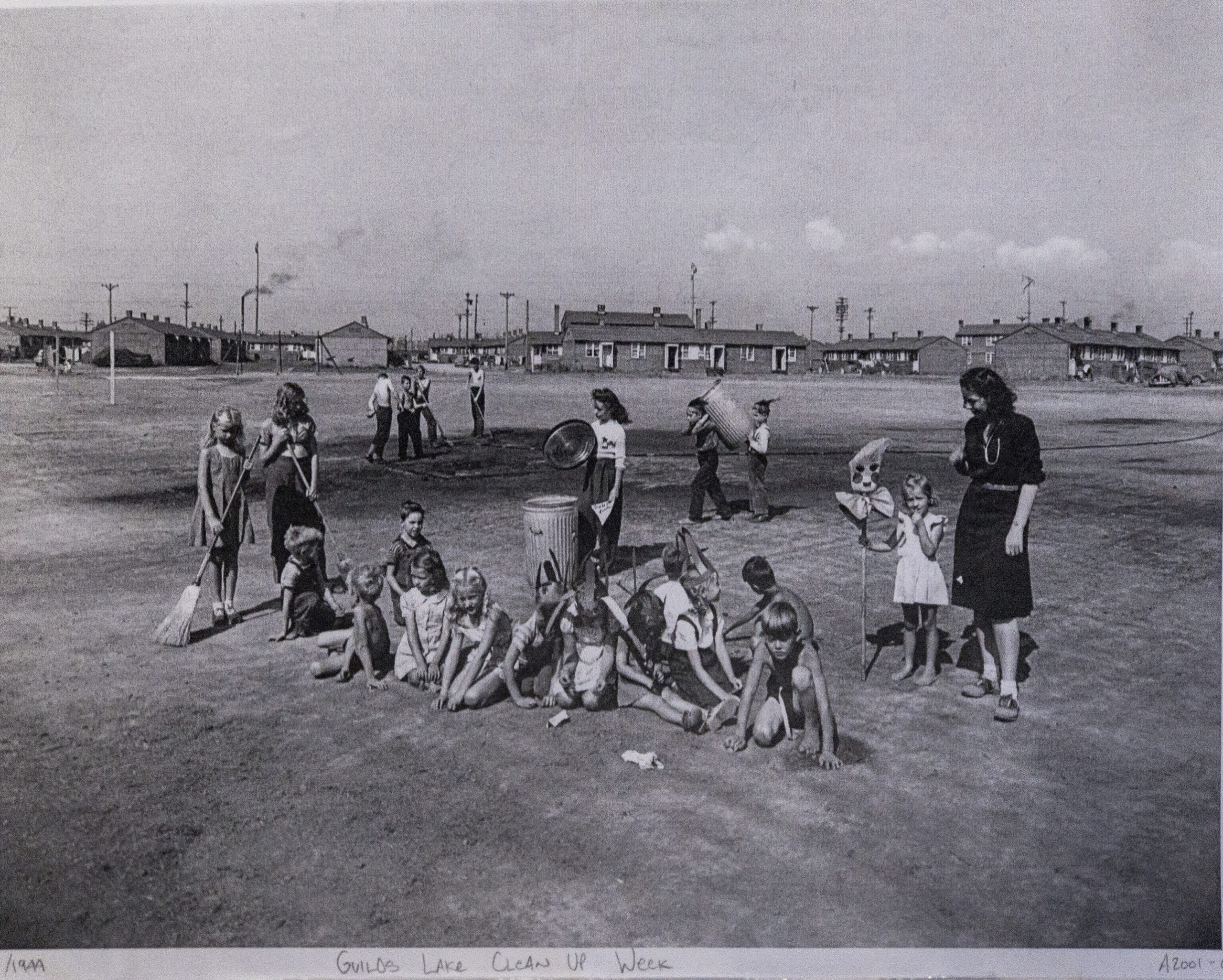
Interviews include an elderly African American who was a former resident of a housing village near the current Kittridge rail overpass that was torn down to make way for tank farms. These living histories recount stories of Black children from Guilds Lake who attended Linnton School in the first half of the 20th century.
The project also uncovered how a local Ku Klux Klan mob burned down a Chinese village along the border of Guilds Lake where the current Old St. Helens Rd. hugs along the boundary of Forest Park.
“It is a lost history, and we at the Braided River Campaign have been delighted to be part of uncovering it,” says Taylor. “I have never tired of experiencing this story with people for the first time.”
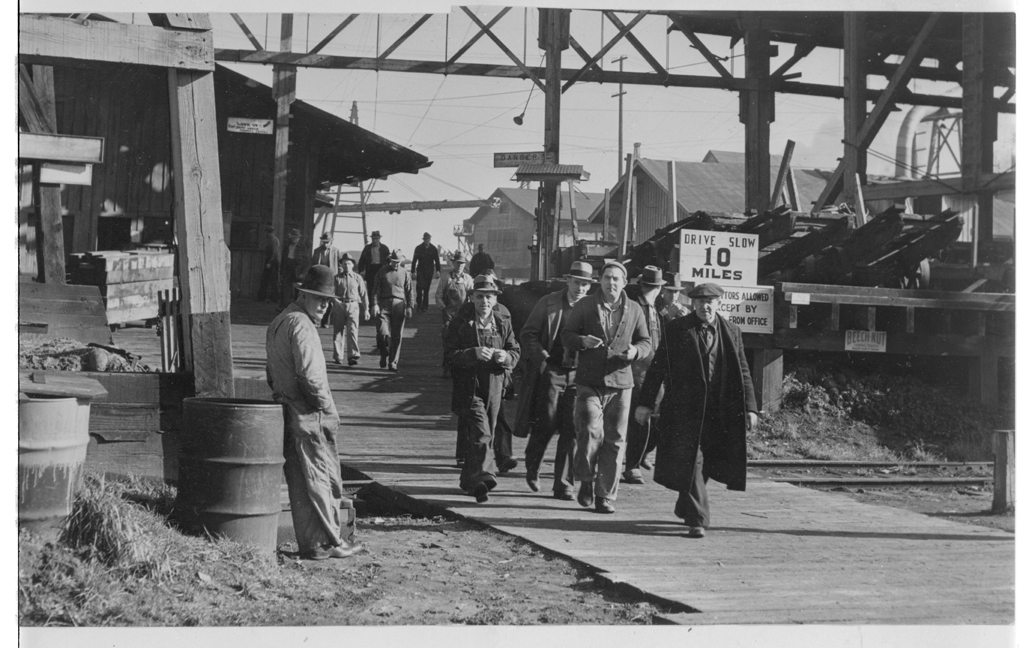
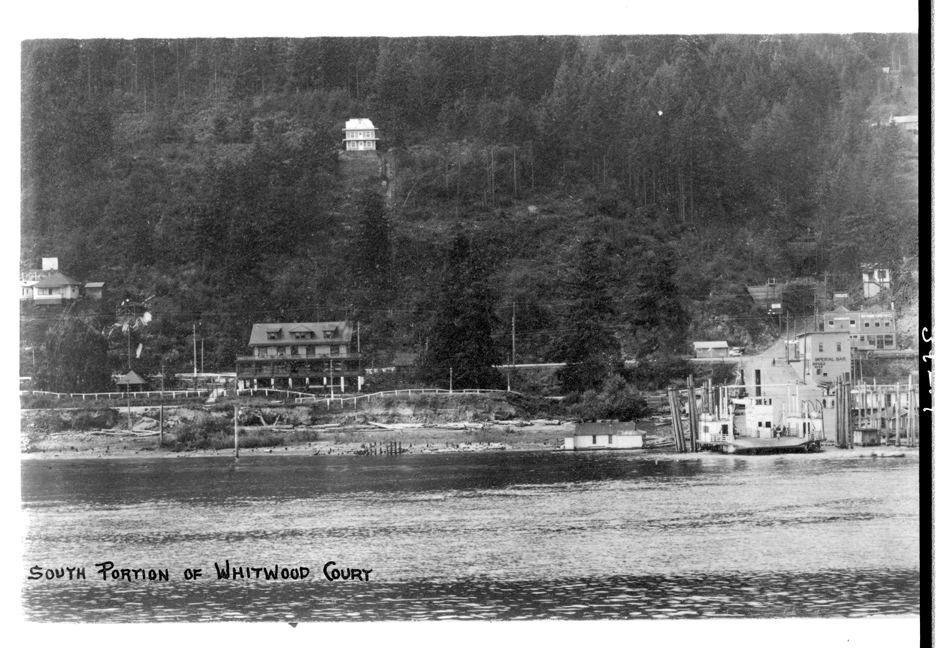
Historic photos and large posters outline the history of the area including geological formation, Forest Park botany, early 20th century Harbor industrial laborers and Linnton business district. The displays encourage people to discuss more contemporary issues including the Superfund cleanup, the hidden Willamette River Greenway trail map designation, and what it means to have equitable access to the river.
Thanks go to Linnton’s neighborhood coalition, Neighbors West/Northwest and the Office of Community and Civic Life, for providing a small grant to pay for production of the portraits.
For more information: