By Brian Hoop
Portland is a key participant in a $550 million nationwide settlement announced last summer with Monsanto due to environmental contamination caused by PCBs, a harmful compound found in sediment at the Portland Harbor. Linnton and Cathedral Park neighborhood activists are urging community discussion to identify local priorities so we’re ready to advocate when the time comes for funds to be distributed.
The settlement resolves multiple lawsuits representing over 2,500 governmental entities seeking cost recovery for pollution by the chemicals known as polychlorinated biphenyls, or PCBs, which Monsanto manufactured between the 1930s and 1977. PCBs, used as a lubricant in marine and industrial uses, was a major pollutant identified in Willamette River Superfund cleanup plans. Because PCBs don’t readily break down, they may cycle between air, water, and soil for a long time.
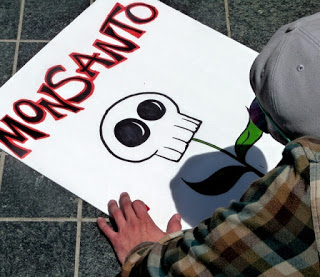
“Monsanto was aware it was manufacturing harmful toxic chemicals and it continued to do so for many years,” Portland Mayor Ted Wheeler announced this past June 2020. “Today, we are holding Monsanto accountable for its reckless actions that caused harm to our community. The impacts (of) PCBs on our community are not quantifiable, but this settlement is one way to address decades worth of harm.”
The City’s Bureau of Environmental Services (BES) will take the lead in coordination of the City’s share of settlement funds once a Federal judge approves the proposed class action. The City has indicated their priority is to focus distribution of funds to Black, Indigenous, and communities of color that have been disproportionately burdened by both the contamination and the need for environmental cleanup. Funds will not go towards Superfund cleanup efforts.
North Portland community leader Barbara Quinn made the case at a February 3 City Council public hearing that neighborhoods along the Willamette River, where industries manufacturing and using PCBs were located, should also benefit, including Linnton. BES has not yet announced their community engagement plans to determine funding priorities.
Linnton Neighborhood Association board members Sarah Taylor and Darise Weller, who have been active in Superfund clean-up efforts, are urging discussion to identify community priorities sooner than later. Ideas that have been suggested include the proposed Superfund education and research facility in the old mill site admin building, buying back riverfront property for a park and public access to the river, or air quality monitoring and research.