I hope this newsletter finds you well and enjoying the beautiful bright greens of our forest communities. I love the moss who, after months of dormancy, put on their brilliant coats of bright greens as the rains fall. The trees begin to form buds and the ferns prepare their early plans to unfurl. We truly live in a place of everyday wonder.
The forest offers us hope and faith that the natural world is capable of and eager to heal itself and to regenerate. It is with this hope and faith, that your neighborhood association has chosen to focus on two important ecological goals – safe transportation and removing the liquid fuel tanks from our shores. These were two of the priorities voted on by members and ones that the board is committed to focusing on at our meetings.
The board felt that most people in Linnton have had an opportunity to be educated on the dangers of the CEI Hub, and so our next meeting will focus on what actions we can take as a neighborhood. As we do this, we will be asking ourselves and other neighborhood associations, what are the rights of neighborhoods to control public health and safety issues in their neighborhood? Do state land use laws require community participation and how is it implemented in our city?
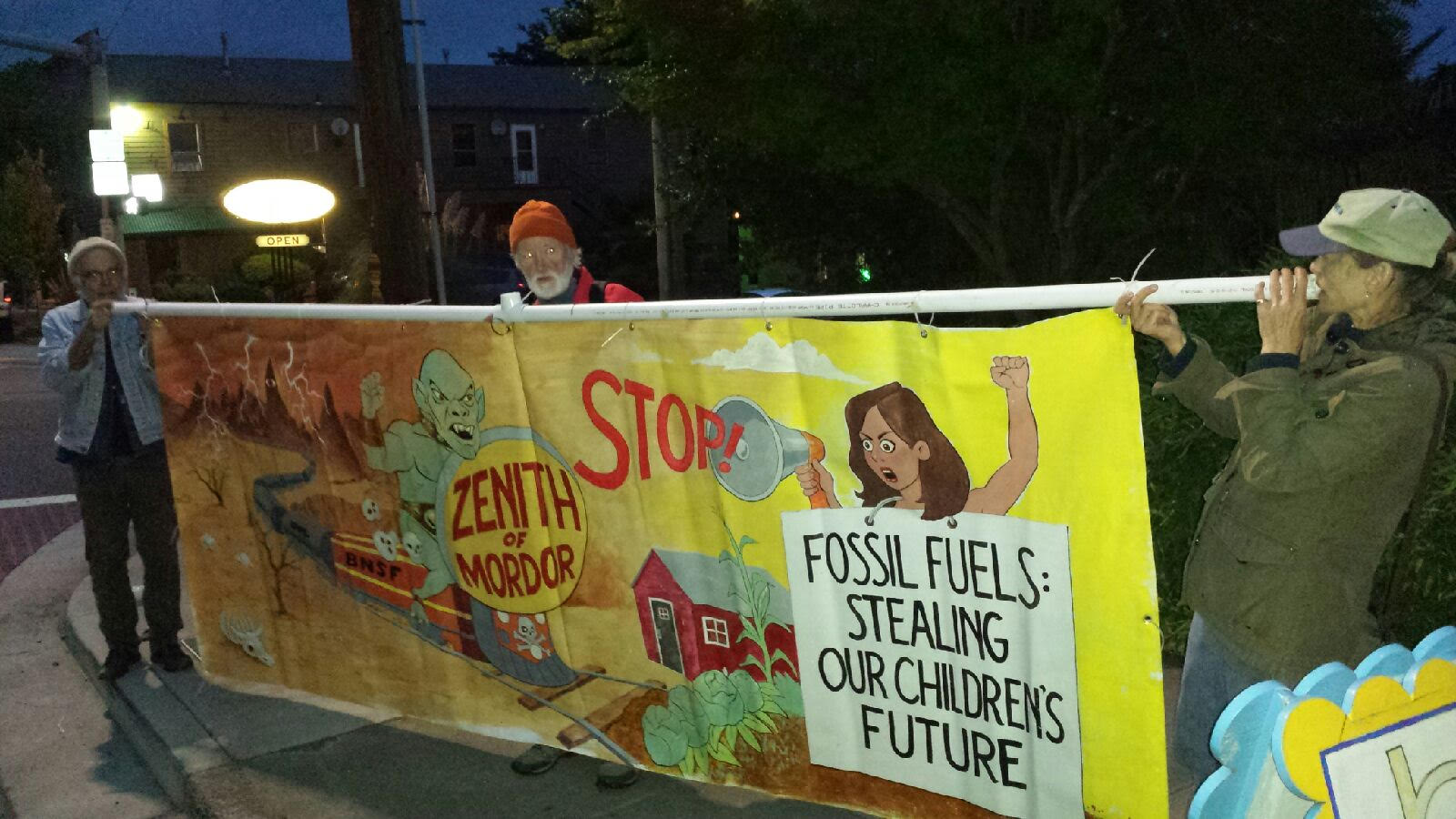
As you know, many people have courageously worked to protect and preserve our waterfront, our air, and our forests. They have fought for safety, for children and good, safe jobs. Several proposals, which would have protected the community and were passed by the Portland City Council, were appealed by the Working Waterfront Coalition and the Portland Businesses Alliance. We will continue to engage them in conversations about the safety of the CEI Hub. Our work will be based on research and existing policies regarding community rights.
As you know, the existing liquid fuel infrastructure poses a serious, well-documented threat to the economic, ecological, and public health of not just our neighborhood but the region.
We are incredibly fortunate to have the forests so close to restore our spirits and heal us when we worry. With this comes a thin strip of liquefaction soil where the city has allowed aging tanks to be built and spread. We understand that the city did not have the seismic understanding that we have now and appreciate this perspective. However, they now know and though they may not want to take the lead on this, it has fallen literally at our feet.
The next neighborhood meeting will start with our practice of a welcoming meet and greet from 6:30 to 7:00 pm. This is also a time for groups and businesses to table and share what they are doing. After introductions and an update on transportation work, we will work together, in a facilitated workshop format, that will hopefully help us to become clearer on what action we want to take as a neighborhood association.
There are many existing groups, across the city and county, that are also working on this issue. The LNA has a Tank Farm Safety Committee, which we encourage people to join.
What is different about the upcoming meeting is the LNA is attempting to understand what our rights are in federal, state, county, and city law. Are the tanks, after considerable research, a violation of civil rights? Can a city or region, target one area for disproportionate exposure to pollution and potential danger? What responsibility does a city have, under House Bill 100, to include the community in these decisions?
Neighborhood gatherings, appreciations and small acts of kindness, go a long way as we undertake this difficult work.